Tuesday, September 1, 2026

Replication and enhanced analysis of the FDA-iRISK comparative risk assessment model: A computational case study in R software

Kshitij Shrestha, Rojeena Shrestha

Department of Food Technology and Quality Control, Babarmahal, Kathmandu, Nepal


Highlights

• FDA-iRISK model successfully replicated in R, validating its computational engine.

• R-based estimates closely aligned with original Salmonella DALY results.

• Contamination reduction and improved cooling lowered risk by 93% and 99.9%.

• Uncertainty analysis revealed 7-fold variation in Listeria risk estimates.

• Open-source R framework offers flexible, reproducible food safety assessment.

 Abstract

This study successfully replicated the FDA-iRISK comparative food safety risk assessment model described by Chen et al. (2013) within the R software environment, validating its core computational engine for case studies on Salmonella in peanut butter and Listeria monocytogenes in soft cheese and cantaloupe. Our R-based model, which leverages Monte Carlo simulation, produced results strongly aligned with the original publication; for instance, it estimated 63.05 annual Disability-Adjusted Life Years (DALYs) for Salmonella, compared to the published 63.5 in the original manuscript. The model quantified the profound effectiveness of interventions, demonstrating a 93% risk reduction from a 2-log decrease in initial contamination and a 99.9% reduction from improved refrigeration control. Furthermore, we extended the model's utility through enhanced visualizations and a dedicated uncertainty analysis. This analysis revealed a 7-fold variation in risk estimates for Listeria, providing deeper insights into risk variability, intervention impacts, and the critical influence of parameter uncertainty. The outcome of this work is a transparent and flexible platform for robust food safety decision-making.

The Article was published in the following Journal

Food Control

Volume 192, February 2027, 112513

https://doi.org/10.1016/j.foodcont.2026.112513


Full Article is available in the link below:

https://authors.elsevier.com/a/1nZkY_LmCu-AVk

Proposed Regulatory Framework for Aloe Vera Beverages and Food Supplements

-Kshitij Shrestha, SFRO, DFTQC

Abstract

The safety of Aloe vera (L.) Burm. f. preparations in food and beverages remains scientifically contentious due to hydroxyanthracene derivatives (HADs), including aloin A, aloin B, aloe-emodin, emodin, and chrysophanol. The European Food Safety Authority (EFSA) concluded in 2018 that HADs should be considered genotoxic and carcinogenic unless specific data to the contrary exist, and was unable to establish a tolerable daily intake (Younes et al., 2018). In November 2024, the General Court of the European Union annulled Commission Regulation (EU) 2021/468, which had prohibited Aloe species preparations containing HADs (General Court of the European Union, 2024). Critically, however, the European Commission appealed this judgment in January 2025, and the case remains pending before the Court of Justice (European Commission, 2025). This manuscript provides a comprehensive technical analysis of the chemistry, toxicology, exposure assessment, and risk characterization for both Aloe vera juice products and food supplements. Physiologically based kinetic (PBK) modeling-facilitated quantitative in vitro to in vivo extrapolation (QIVIVE) has yielded predicted BMDL₁₀ values for aloe-emodin, enabling Margin of Exposure (MOE)-based risk characterization (Ren et al., 2024). Cancer risk estimates for non-decolorized whole-leaf extracts range from 7.4×10⁻⁴ (1 mg/kg-day) to 4.7×10⁻² (63.8 mg/kg-day) (Boudreau et al., 2013; National Toxicology Program, 2013). Purified preparations with HAD content below 10 ppm show no genotoxicity in validated test systems, with a NOAEL exceeding 1,845 mg/kg bw/day (Shao et al., 2013). A 2024 LC-MS/MS study of commercial Aloe vera beverages found considerable variability in aloin concentrations, yet the tested products did not show mutagenicity in the reported Ames experiments (Di Minno et al., 2024). We propose a risk-based regulatory framework incorporating product-specific HAD quantification, refined exposure assessment, and a tiered permissible limit system based on consumption patterns, while acknowledging that the European regulatory landscape remains in flux pending the outcome of the pending appeal.

Keywords: Aloe vera, hydroxyanthracene derivatives, genotoxicity, benchmark dose, margin of exposure, physiologically based kinetic modeling, risk assessment, food regulation

1. Introduction

Aloe vera (Aloe barbadensis Miller), a member of the Asphodelaceae family, has been utilized for centuries in traditional medicine systems and has gained considerable popularity in contemporary food supplements and beverages (Jangra et al., 2022). The global market for Aloe products in foods and cosmetics is currently valued at approximately US$ 1.6 billion, which is estimated to double by 2026 (Baldi et al., 2021). The plant is marketed for purported digestive health, immunomodulatory, and antioxidant benefits. However, the safety of oral consumption has been a persistent regulatory concern due to the presence of naturally occurring hydroxyanthracene derivatives (HADs), particularly aloin (a mixture of aloin A and B), aloe-emodin, emodin, and chrysophanol (Younes et al., 2018).

Friday, August 21, 2026

Shilajit in Energy Drinks: A Critical Review of Health Risks, Regulatory Challenges, and Safety Considerations

Abstract

Shilajit, a phyto-mineral resin traditionally used in Ayurvedic medicine, has recently gained commercial prominence as an ingredient in dietary supplements and energy drinks. Despite its historical use, the incorporation of Shilajit into products intended for regular consumption raises substantial public health concerns. This review critically examines the scientific evidence regarding Shilajit's safety profile, with particular emphasis on documented heavy metal contamination, adverse clinical events, the efficacy evidence gap, and the fragmented international regulatory landscape. Analytical studies have detected thallium concentrations up to 0.5 µg/g in commercial supplements—exceeding levels found in crude Shilajit—while other toxic metals including lead, arsenic, cadmium, and mercury have been consistently identified (Kamgar et al., 2025). Regulatory actions from the U.S. Food and Drug Administration, Philippine FDA, and Health Canada underscore persistent safety concerns regarding unapproved therapeutic claims, manufacturing violations, and unregistered products. The paucity of robust clinical evidence supporting purported energy-enhancing effects, combined with documented cases of adverse reactions including anaphylaxis, necessitates stringent quality control, standardized testing protocols, and regulatory harmonization. This review concludes that regular consumption of Shilajit-containing energy drinks cannot be recommended based on current evidence. Recommendations are provided for regulatory authorities to develop evidence-based frameworks ensuring consumer safety.

Keywords: Shilajit, thallium, heavy metals, dietary supplements, energy drinks, anaphylaxis

Friday, May 23, 2025

ट्रान्स फ्याट बारे छलफल

  • ट्रान्स फ्याटलाई अति खराब चिल्लो (अखचि) भनि नेपाली नामकरण गर्ने बारे छलफल भएको सुनिन्छ, त्यसमा सहमत हुनेहरु पनि छन्, र असहमति जनाउनेहरु पनि l बिज्ञहरु बीच पनि यो छलफल को बिषय नै हो l
  • ट्रान्स फ्याट धेरैको लागि एउटा नौलो बिषय हो l यस बारे उपभोक्ताको बुझाईमा कमि नै छ जस्तो लाग्छ l
  • एकातिर ट्रान्स फ्याट एकदमै नराम्रो हानिकारक चिल्लो पदार्थ हो भन्ने बुझाई बिभिन्न माध्ययमबाट सुन्न पाइन्छ, अर्को तिर ट्रान्स फ्याट दुध, तेल, माछा, मासु, चिज, बेकरी, आइसक्रिम लगायत चिल्लो पदार्थ हुने करिब सबै खाद्य पदार्थमा पाइन्छ भन्ने पनि सुन्न पाइन्छ l त्यसो भए उपभोक्ताले गर्ने चै के होला ?, के सबै चिल्लो पदार्थ भएका खाद्य पदार्थ लाई खान पो छोडिदिने कि ? त्यसमा पोषणयुक्त मानिएका खाध्य पदार्थहरु पनि पर्दछन, फेरी ती खाद्य पदार्थहरु केहि नखाएर शरीरलाई चाहिने पोषण कसरि प्राप्त गर्ने ?
  • प्रशोधित खाद्य पदार्थ खानै हुदैन भन्ने पनि भेटिन्छन, ती सबैमा ट्रान्स फ्याट हुने पो हो कि ?
  • तारेर पकाएकोमा ट्रान्स फ्याट हुन्छ भन्ने पनि सुनिन्छ भने फ्रोजन गरेको आइसक्रिमहरुमा ट्रान्स फ्याट बढी हुन्छ भन्ने पनि सुनिएको छ l

साधारण उपभोक्ताको लागि अलमलिने बिषय नै हो जस्तो लाग्छ l तर बिषयको गाम्भीर्यताको कारण उपभोक्ताले बुझ्न जरुरि पनि  छ l यो लेख बिज्ञहरुको लागि होइन, साधारण उपभोक्ताको लागी प्राबिधिक बिषयलाइ सरलीकृत गर्न कोशिस गरेर आफ्नो बुझाई र केहि विचार राख्ने कोशिस मात्र हो l प्राबिधिक शब्दहरुलाई नेपालीकरण गर्न खोज्दा धेरै ठाउमा नमिलेको आफैलाई महशुस भएको छ, सुधारको लागि सहयोग गर्नु होला l बिज्ञहरुले गल्तिहरुलाई औल्याई, छुटपुट बिषयलाइ थप गरि प्रतिक्रिया प्रदान गरिदिनु हुनेछ भन्ने आशा छ l लेख अलिक लामो भयो जस्तो छ, तपाइको अमुल्य समयको लागि अग्रिम धन्यवाद l

प्रश्न १ . ट्रान्स फ्याट के हो ?

ट्रान्स फ्याटको शाब्दिक अर्थ नेपाली नामकरण गर्न खोजीएको जस्तो “अति खराब चिल्लो (अखचि)” चै होइन l त्यो खराब हो कि होइन र कति खराब हो ?, पछी छलफल गरौला l पहिला ट्रान्स फ्याट के हो ? त्यो छलफल गरौ l

“ट्रान्स” भन्ने शब्द रसायन बिज्ञान को शब्द हो l चिल्लो पदार्थहरु मूलतः कार्बन, हाइड्रोजन र अक्सिजनहरु बाट बनेको हुन्छ l त्यसको प्रत्येक फ्याट्टी एसिडको अणुमा २ देखि करिब ३० वटा सम्म कार्बनको परमाणुहरु एक आपसमा सिक्री जस्तै लामो जोडिएर बनेको हुन्छ l ती कार्बनको परमाणु हरु बीच एकोहोरो, दोहोरो वा तेहोरो सम्मको बन्धन हुन सक्छन l दोहोरो बन्धन भएको ठाउमा चिल्लो पदार्थको अणुको सिक्रीको आकार बंगिएको भए त्यसलाई “सीस रुपको” भनिन्छ भने, कुनै चिल्लो पदार्थको अणुको सिक्रीमा दोहोरो बन्धन भएको ठाउमा पनि सिधा रहेको हुन्छ र त्यस्तो अवस्थाको बन्धनलाई “ट्रान्स रुपको” भनिन्छ l साधारण रुपमा बुझ्नु पर्दा दोहोरो बन्धन भएर पनि नाबांगिएको सिधा आकारको फ्याट्टी एसिड भएको चिल्लो पदार्थ नै “ट्रान्स फ्याट” को स्वरूप हो l धेरै जसो चिल्लो पदार्थको फ्याट्टी एसिड प्राकृतिक रुपमा बांगो आकार (सीस अवस्था) मा पाइन्छ, तर सिधा आकारको (ट्रान्स फ्याट) फ्याट्टी एसिड भएको चिल्लो पदार्थ बिभिन्न खाद्य पदार्थमा प्राकृतिक रुपमै केहि मात्रामा पाइने गर्छ l

Thursday, April 10, 2025

Book: Nutritional Composition of Food Products


This book delves into the complex and dynamic nature of different food products, offering a comprehensive estimation of macronutrients, micronutrients, and other vital elements that make these foods invaluable to human health. With advances in scientific research, our understanding of food composition has evolved, revealing both its nutritional benefits and its potential therapeutic applications in addressing various health conditions. 

Friday, August 28, 2020

Risk Assessment of Aflatoxins from JECFA

aflatoxins in maize
The report of sixty-eighth meeting of the Joint FAO/WHO Expert Committee on Food Additives (JECFA) on Aflatoxins is given below. It discusses about the impact of different hypothetical limits for almonds, brazil nuts, hazelnuts, pistachios and dried figs.

Thursday, August 13, 2020

EFSA Risk Assessment of Aflatoxins in food

EFSA (European Food Safety Authority) has recently published the report on "Risk Assessment of Aflatoxins in Food". The abstract and summary of the report is given below: 
Aflatoxin exposure

Abstract

EFSA was asked to deliver a scientific opinion on the risks to public health related to the presence of aflatoxins in food. The risk assessment was confined to aflatoxin B1 (AFB 1), AFB 2, AFG 1, AFG 2 and AFM 1. More than 200,000 analytical results on the occurrence of aflatoxins were used in the evaluation. Grains and grain‐based products made the largest contribution to the mean chronic dietary exposure to AFB 1 in all age classes, while ‘liquid milk’ and ‘fermented milk products’ were the main contributors to the AFM 1 mean exposure. Aflatoxins are genotoxic and AFB 1 can cause hepatocellular carcinomas (HCC s) in humans. The CONTAM Panel selected a benchmark dose lower confidence limit (BMDL ) for a benchmark response of 10% of 0.4 μg/kg body weight (bw) per day for the incidence of HCC in male rats following AFB 1 exposure to be used in a margin of exposure (MOE ) approach. The calculation of a BMDL from the human data was not appropriate; instead, the cancer potencies estimated by the Joint FAO /WHO Expert Committee on Food Additives in 2016 were used. For AFM 1, a potency factor of 0.1 relative to AFB 1 was used. For AFG 1, AFB 2 and AFG 2, the in vivo data are not sufficient to derive potency factors and equal potency to AFB 1 was assumed as in previous assessments. MOE values for AFB 1 exposure ranged from 5,000 to 29 and for AFM 1 from 100,000 to 508. The calculated MOE s are below 10,000 for AFB 1 and also for AFM 1 where some surveys, particularly for the younger age groups, have an MOE below 10,000. This raises a health concern. The estimated cancer risks in humans following exposure to AFB 1 and AFM 1 are in‐line with the conclusion drawn from the MOE s. The conclusions also apply to the combined exposure to all five aflatoxins.

Monday, August 10, 2020

Evidence and Ethics in Food Fortification Policy Development

The primary objective of food fortification policy and programs is generally the “protection of public health and safety”. The ‘protection’ indicates the benefits associated with mandatory food fortification. On the other hand, ‘public health and safety’ refers to the risk of harm resulting from excessive nutrient intake. These two dimensions create ambiguity for the decision makers. The exposure to the raised level of nutrients can also have ethical consequences. The decision on fortification policy should be based both on the evidence and ethics.

The food fortification policy must be informed by sound scientific evidence. We generally use a term: evidence-informed-policy-making decision. There should be two types of evidence: evidence of food fortification to ‘promote’ public health; and evidence to ‘protect’ public health.

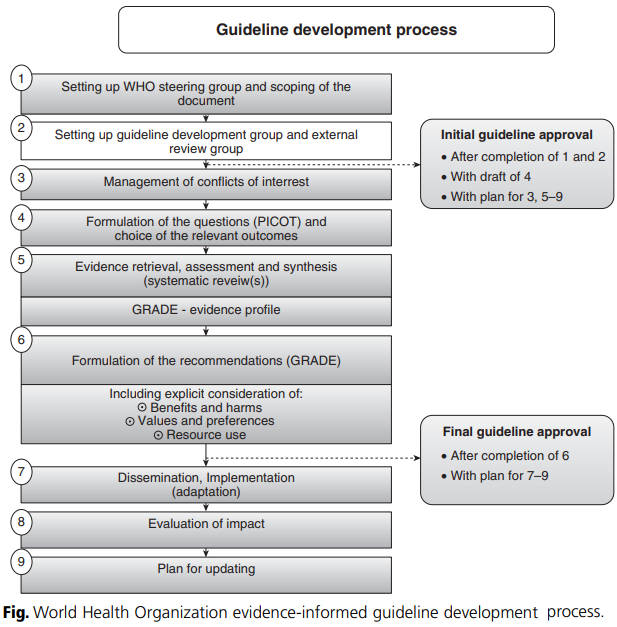
The evidence hierarchy method is used to evaluate the quality of evidence. For example, evidence based on randomized controlled trials (RCTs) is considered high quality. The process for developing evidence-informed guidelines was developed by WHO (2009). It consists of a nine step procedure as shown in figure below. 

WHO guideline development process

Thursday, August 6, 2020

Comparison of Aflatoxin B1 contamination in different categories of food products

Aflatoxin B1 (AFB1) is a toxin produced by mold (Aspergillus flavus and A. parasiticus) in the food products. It is one of the most potent carcinogen. Based on WHO/FAO data, the distribution of Aflatoxin B1 in different category of food products is shown in the figure below. 

Aflatoxin B1 prevalence in different food category

The major categories of food products likely to have AFB1 contamination are: (1) Nuts and Oilseeds; (2) Herbs, spices and condiments; and (3) Cereals and cereal-based products.

1. Nuts and Oilseeds: AFB1 is generally found to be contaminated in hazelnut, pistachio nut, almond and peanut. The probability distribution of concentration of  AFB1  (mcg/kg) in these nuts are shown in the figure below. 

Monday, August 3, 2020

तोरी र रेपसिडको तेलमा भटमासको तेलको मिसावट सम्बन्धि प्रकाशित लेख

soybean adulteration in mustard and rapeseed oil
काठमाडौँ उपत्यकाको विभिन्न स्थानबाट संकलन गरिएको ४९ वटा नमुना मध्ये ५५% तोरी र रेपसिडको तेलमा भटमासको तेल मिसाई उपभोक्तालाई ठगी गरि राखिएको बारे अन्तरास्ट्रिय पत्रिकामा मेरो अनुसन्धान प्रकाशित भएको पनि ६ बर्ष भई सकेछ l सो सम्बन्धि नियमनको लागि हालसम्म केहि पनि उल्लेखनीय कार्य भए जस्तो लाग्दैन l उपभोक्ता कहिलेसम्म ठगिनु पर्ने हो ?

प्रकाशित लेखको लिंक यस प्रकार रहको छ l 

http://dx.doi.org/10.1016/j.foodres.2013.11.030

लेखको पूर्ण पाठ यस प्रकार रहको छ l  


Popular Posts